Leave a little room to try
Blank Name Tracing Worksheets
Your handwriting. Their practice. Choose from 6 different layouts in 2 paper sizes, ready for a handwritten example, an independent attempt, or a name card to make their own.
Free PDF + 300 dpi PNG downloads. No account needed.
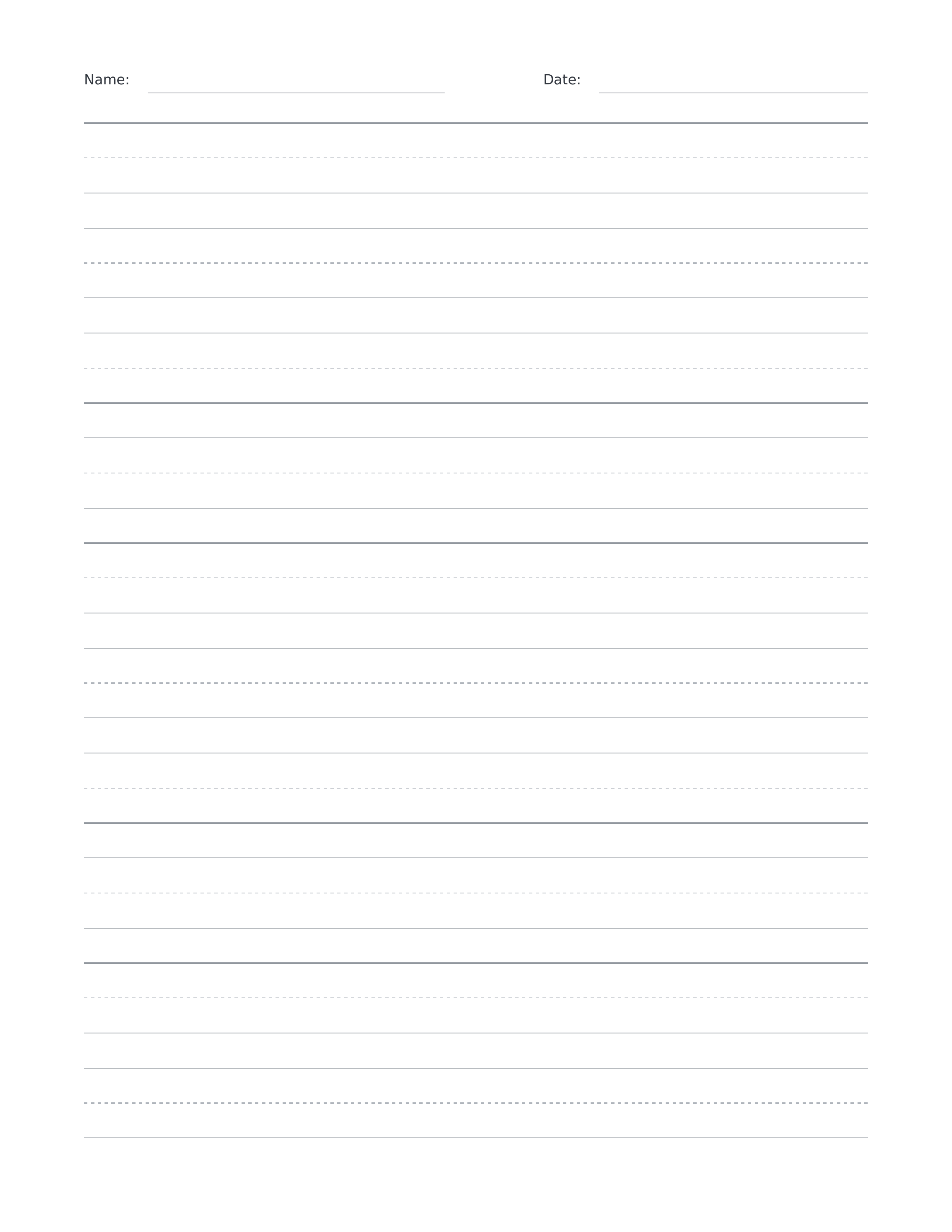
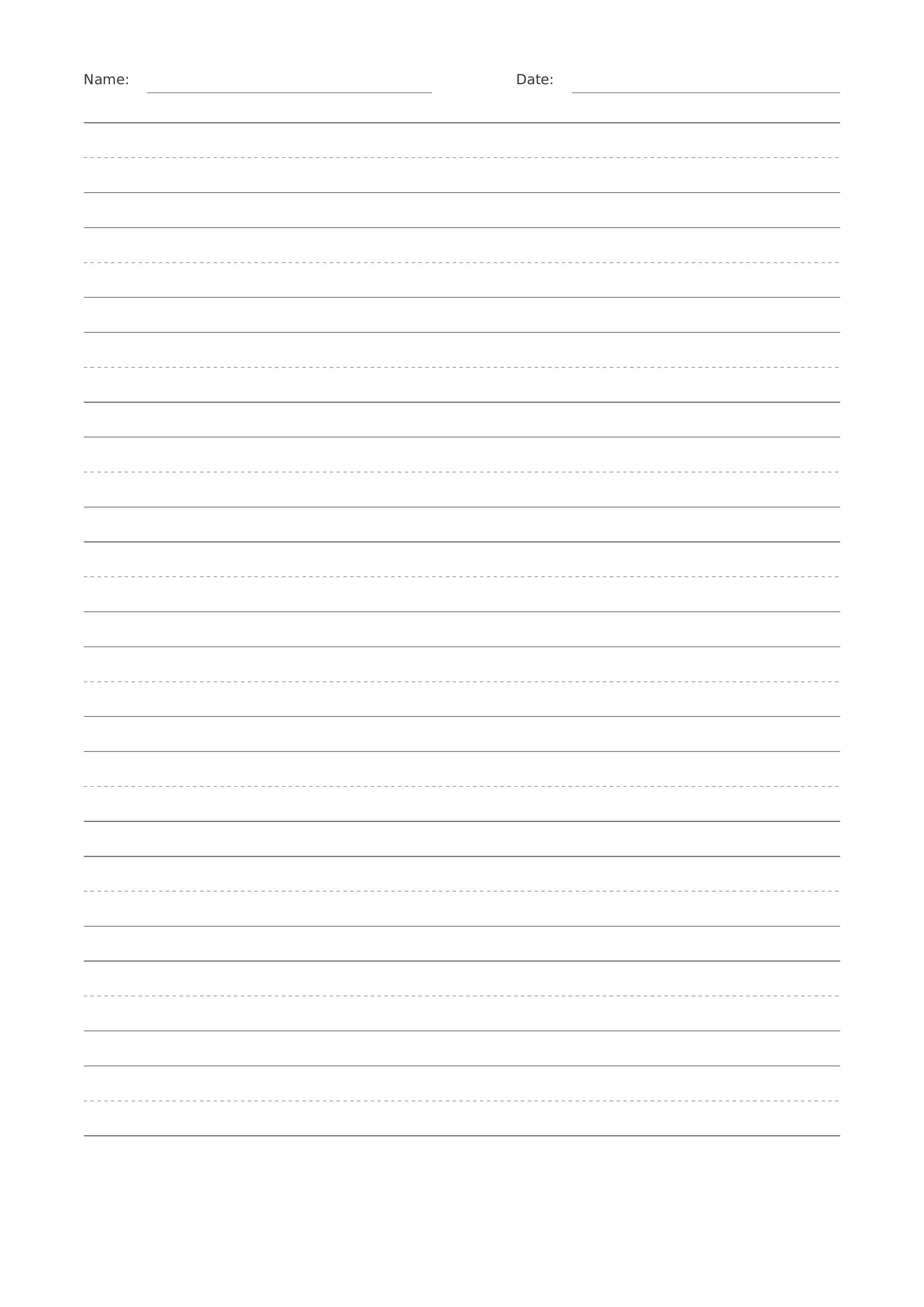
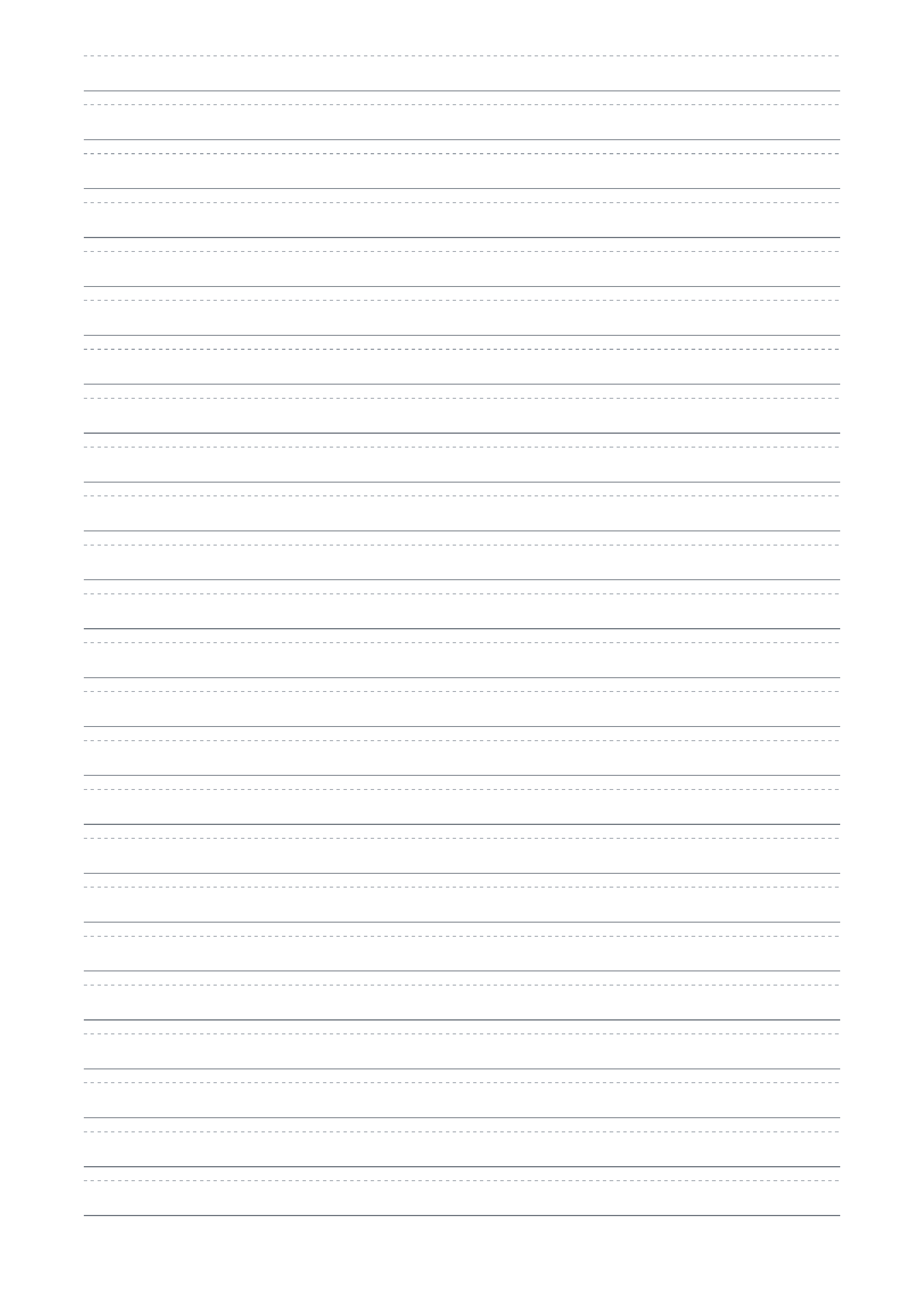
9.5 mm writing band
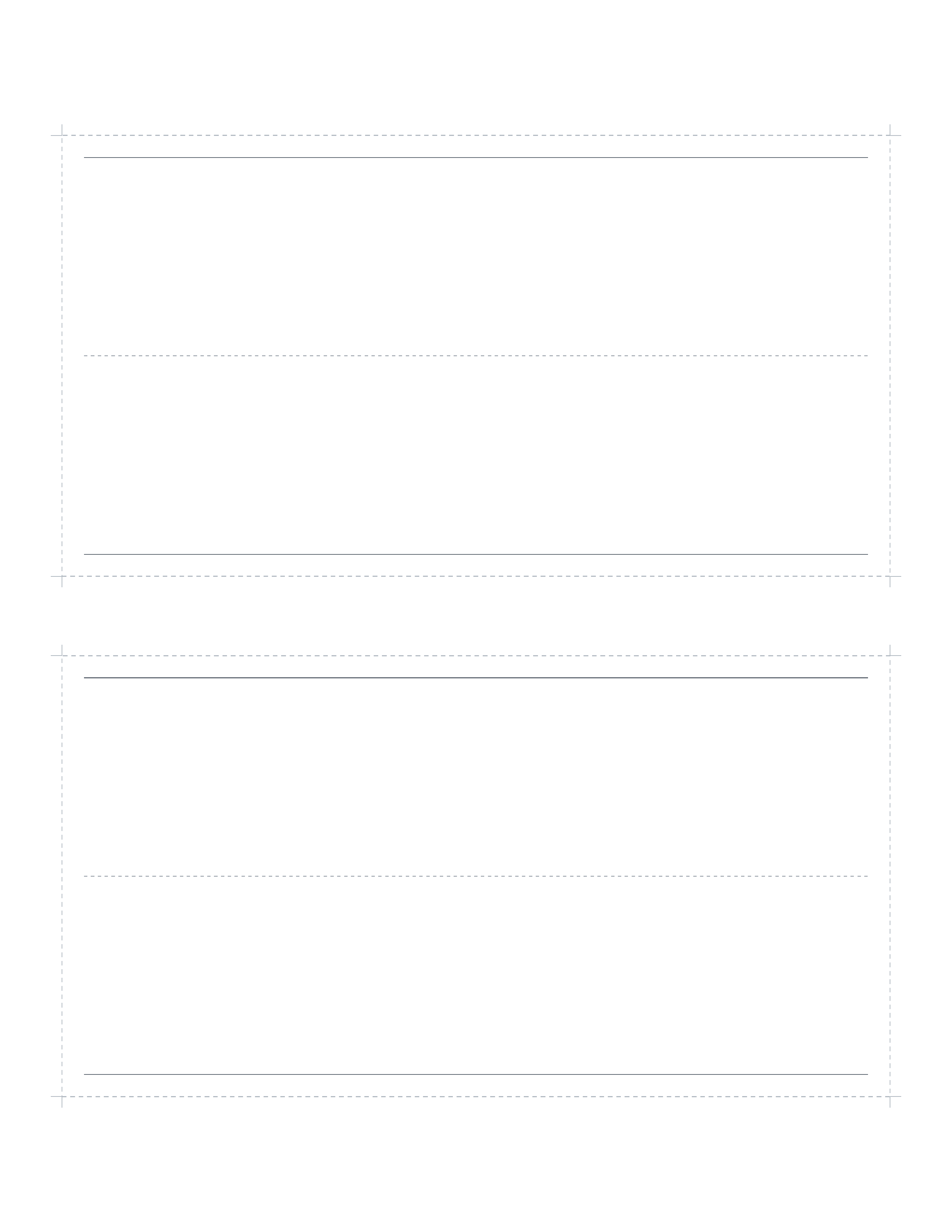
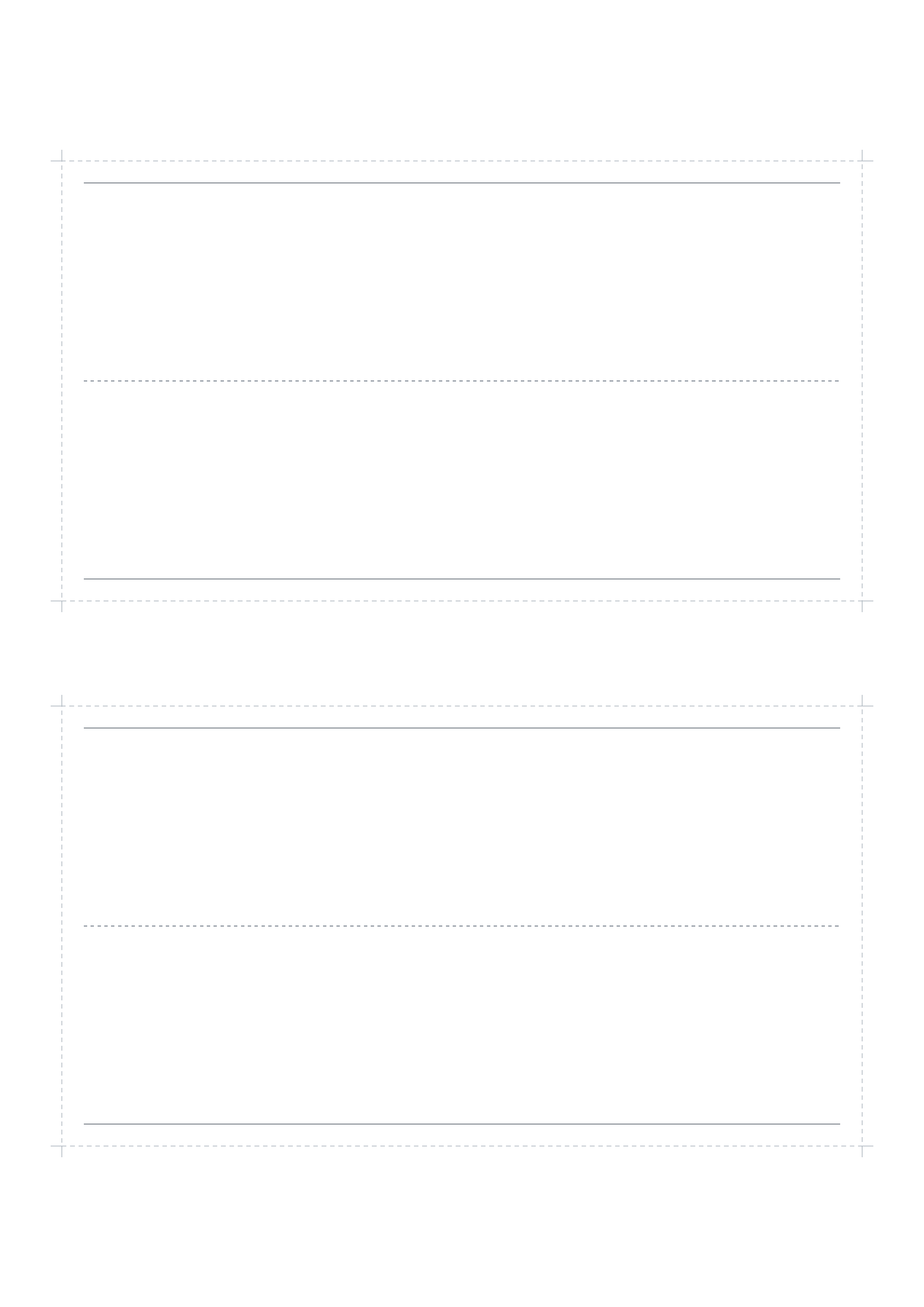
Standard three-line guides
A top line, a dashed middle guide and a baseline. This narrower band fits more practice on the page. Try it when wide guides feel larger than the learner needs; age alone does not decide the right size.
20 rows on Letter · 21 rows on A4
7.9 mm between guides
Midline + baseline
Two guides per row, with the top line removed. The dashed guide gives a reference for short letters while the baseline keeps words level. Leave space above and below for taller and descending parts.
22 rows on Letter · 24 rows on A4
A comfortable fit
Which line height do you need?
Start with the size the learner can use comfortably. The wide three-line sheet has a 15.9mm writing band; the standard sheet brings that down to 9.5mm. If letters feel cramped or repeatedly spill across guides, try the wider layout.
Move to a smaller band when the learner can fit letters comfortably and wants less space. You do not need to move through every template, and no particular birthday makes a layout the right choice.
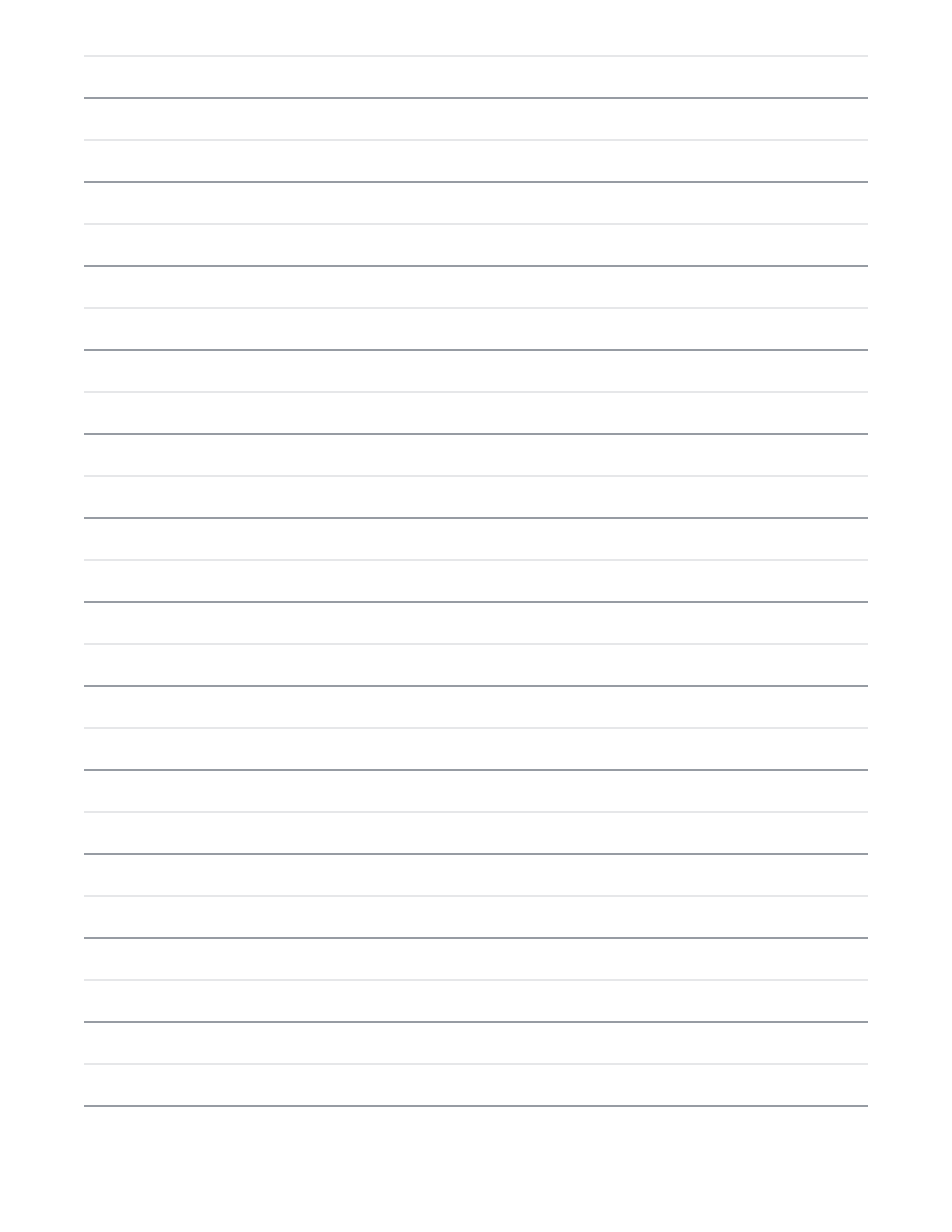
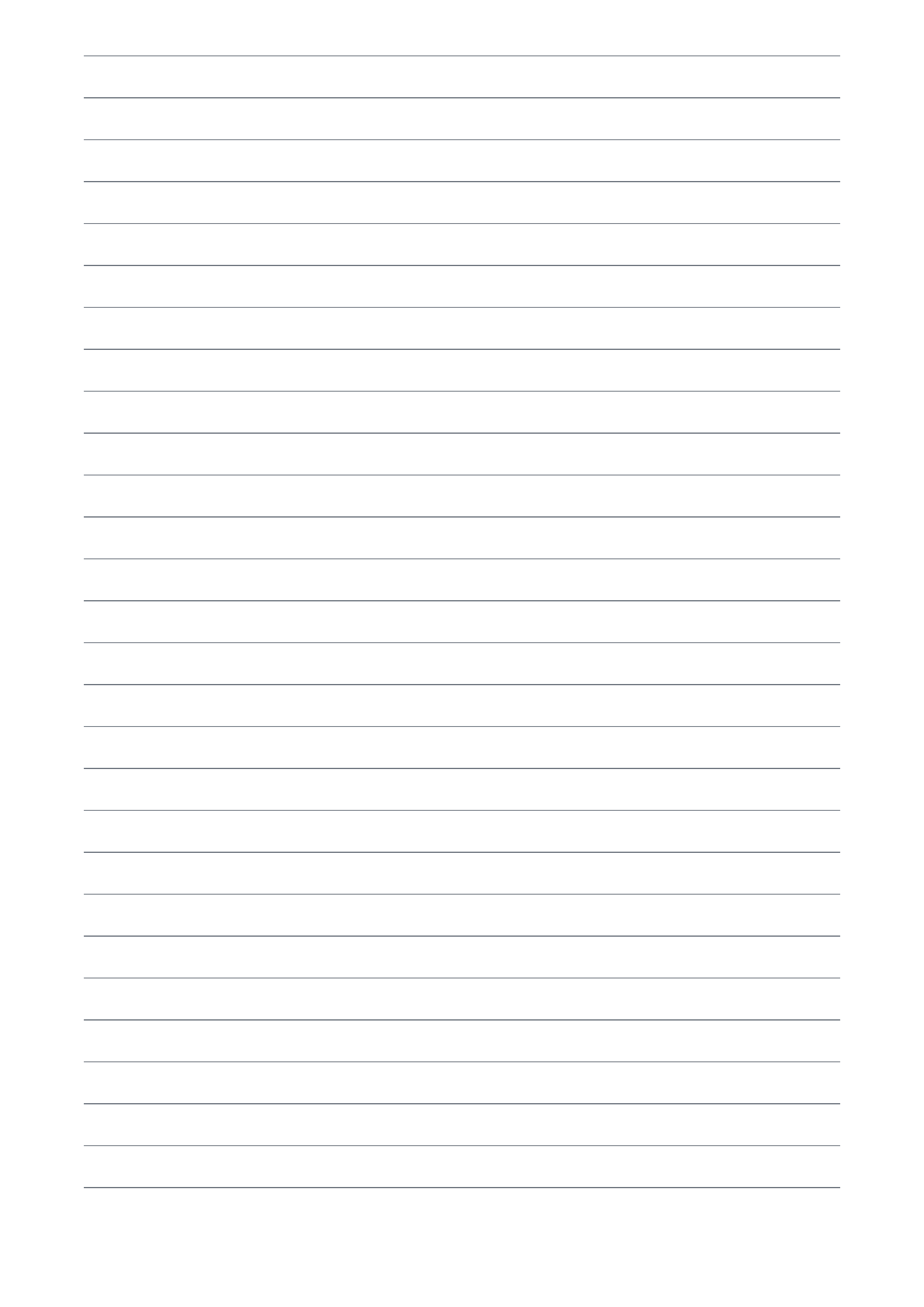
The two-line sheet has 7.9mm between its dashed guide and baseline. The baseline-only sheet has a line every 9.5mm. Those measurements describe different things, so they are not a single ladder from easiest to hardest.
Use the space your way
Three ways to use a blank sheet.
Write a model. Add the learner’s name at the beginning of a row and leave the remaining space for a copy. If your classroom uses a particular letter shape, you can demonstrate that exact form.
Show one beside each attempt. The demonstration-column layout keeps a handwritten example on the left while the learner works on the right. Copying a model is a different activity from following a dotted path.
Make a reusable practice surface. Put a printed sheet inside a suitable clear dry-erase sleeve and use the pen recommended for that sleeve. Remove the paper before cleaning; do not put craft plastic through a printer unless it is explicitly printer-compatible.
Print settings that work
Actual size means actual size.
Use matching A4 or US Letter paper and choose 100% / Actual size. Fit to page, Shrink and Scale to fit change the measurements. Seeing the same number of rows in the preview does not prove the page is unscaled.
Print one test sheet before a whole class set. If exact spacing matters, measure a printed writing band with a ruler. Printer margins and settings vary, so digital dimensions alone cannot certify your physical printout.
These files use grey lines. If a trial page looks too faint, switch off draft or ink-saving mode. Use PDF for direct printing; PNG is intended for inserting into Word, Canva or another document at its original proportions.
Prefer the name already dotted?
Let the generator write the model.
For a ready-made name tracing worksheet, type the name into our browser-based generator. It can make dotted names, outline letters, or practice that moves from tracing to an independent attempt.
Teachers can paste up to 20 names and create one PDF with a page for each learner. Names stay in the browser while the worksheets are made.
Make a name worksheetWorking on one letter? Browse the A–Z alphabet tracing worksheets for printable uppercase and lowercase practice.
A few practical details
About the blank sheets.
Are these blank worksheets the same as the generator layouts?
No. These six layouts are blank writing guides. They do not contain dotted names or hollow letters. The generator has its own six styles with letter models; removing those letters would not create six distinct blank templates.
Should I download PDF or PNG?
Use PDF for normal printing: its lines stay sharp and the paper dimensions are set. Choose the 300 dpi PNG if you want to place the sheet inside your own document or design. Keep its proportions and size when inserting it.
Are the middle guides tied to a particular font?
No. These are general-purpose blank guides. The three-line sheets place the middle guide halfway between the top line and baseline. The personalised generator uses the actual metrics of its font, so its guide positions can differ.
Can I print these in black and white?
Yes. The files use grey lines and no colour illustrations. Try normal print quality first. If lines become difficult to see, turn off draft or ink-saving mode rather than assuming every printer will preserve the same grey.
Can I add a dotted name before printing?
Use the name generator for that. Type a name, choose the layout and paper size, then download a personalised PDF. The files on this page stay blank so you can write your own example by hand.
Can I share copies with my class?
You can print copies for your classroom or home practice. Share the page link so other people can choose their own paper size and get the current files.